


Osteoarthritis: I'm Taking Charge


While osteoarthritis is certainly age-related, it’s not inevitable! Naturopath Céline Vaquer shares her tips for keeping your joints in top shape …
Why does nutrition play a role?
For Céline Vaquer, losing weight is beneficial, and it helps relieve pressure on the knees, hips, and spine.
One kilo less,
means eight kilos less on your joints,
that really makes you think!
So a dietary adjustment is in order: there’s no need to overhaul everything right away; sometimes, simple adjustments are enough to relieve and prevent pain.
When osteoarthritis sets in, it triggers an entire inflammatory process, usually fueled by certain inflammatory substances found in food, such as: too many animal products, too many dairy products, meals eaten too quickly and not chewed thoroughly, fried foods, seasonings made with unhealthy oils, too many sugary foods, and, of course, stress…
Once again, diet is our first line of defense.
Get moving, yes, but take it easy
The idea is to regularly engage in activities that are gentle on the joints: cycling, walking, yoga, stretching… and why not in the water? Long live aqua aerobics, aqua biking, swimming, and wading through the water.
When you move, the pressure exerted by the movement on the joint allows the bone to nourish the cartilage, which then regenerates.
Keeping your joint immobile because of pain only serves to accelerate the progression of osteoarthritis.
Expert Insights
: Céline Vaquer’s 5 Tips
1 – Start by avoiding alcohol, nicotine, and caffeine—you’ll be amazed at how quickly it affects your joints!
2 – Choose foods rich in antioxidants, preferably free of GMOs and pesticides.
3 – Reduce your intake of meat and processed meats as much as possible and replace them with seafood rich in omega-3s. These are found in fatty fish and have recognized protective and anti-inflammatory properties for the joints.
4 – Choose fruits and vegetables, as well as “raw” nuts and seeds. Monitor your intake of vitamins C and E, which are important for cartilage.
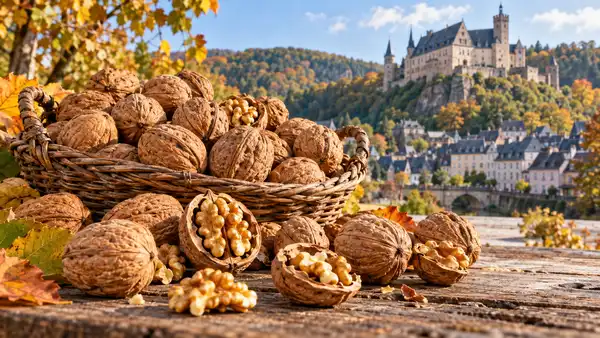
5 – Choose first-cold-pressed, low-temperature oils made from canola, walnuts, flax, camelina, and hemp, and of course, consume high-quality raw whole nuts and seeds.
6 – Include foods rich in vitamin K2. These can be found in fermented soybeans, and be sure to include herbs such as horsetail, stinging nettle, and devil’s claw.