

SALMONELLOSIS: AN INVISIBLE THREAT THAT KNOWS NO BORDERS
France, Luxembourg, Belgium, Switzerland: Why This Foodborne Illness Remains a Concern in 2026 and How to Protect Yourself.
Imagine a food item that looks perfectly fresh.
Its color is normal. It has a pleasant smell. There is nothing unusual about its taste.
However, it may contain millions of pathogenic bacteria.
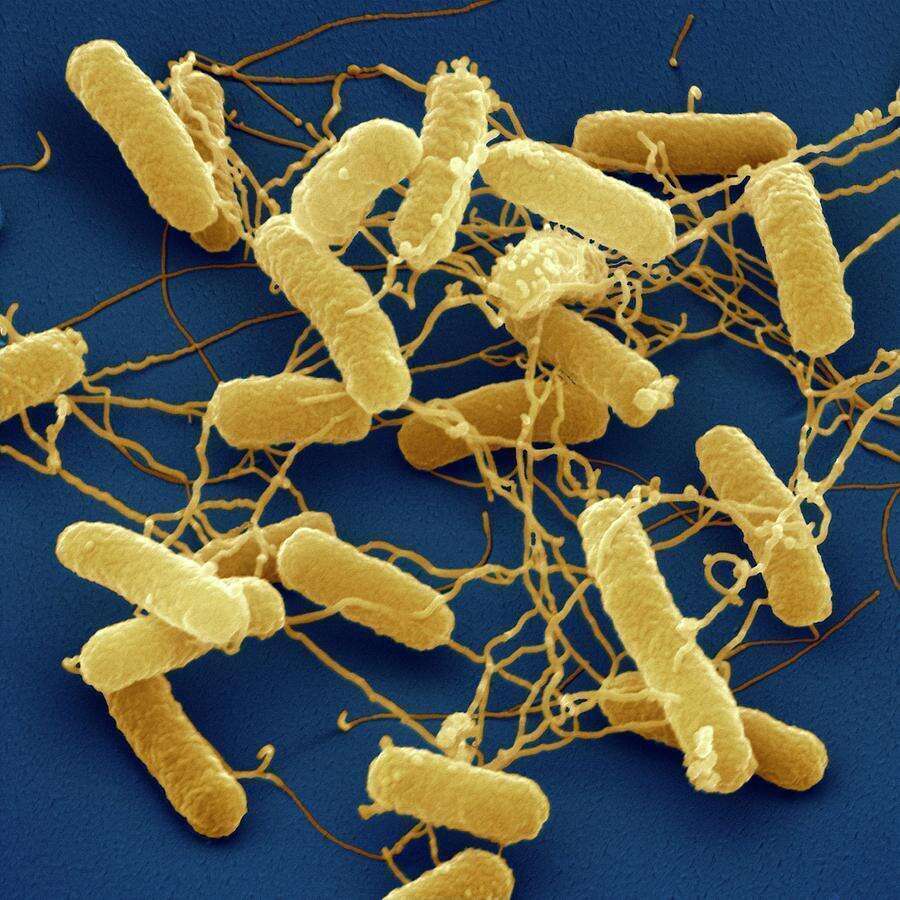
That is precisely what makes salmonellosis particularly concerning: contamination is generally invisible, odorless, and undetectable by taste.
In September 2026, several food safety alerts in Europe serve as a reminder that this infection is not a thing of the past.
And I have to admit: this bacterium really worries me, especially when it’s found in foods considered healthy, eaten raw, and sometimes served to vulnerable people.
But the goal is not to give in to fear.
It is about understanding, anticipating, and preventing.
I invite you to learn about the history of this bacterium, its potential effects on our bodies, recent alerts in four French-speaking countries, and, most importantly, ten practical ways to reduce the risk of salmonellosis.
1. How was salmonellosis discovered?
The story begins in the late 19th century.
In 1880, the German physician Karl Joseph Eberth identified the bacterium responsible for typhoid fever.
A few years later, in 1885, microbiologist Theobald Smith and American veterinarian Daniel Elmer Salmon isolated another bacterium while conducting research on a swine disease.
The bacterial genus would later be named Salmonella in honor of Daniel Salmon.
Today, we know that Salmonella comprises many serotypes, each of which causes different diseases.
In this article, we focus primarily on non-typhoidal salmonellosis, which is generally transmitted through food.
2. How does this bacterium end up on our plates?
Salmonella is found, in particular, in the digestive tract of certain animals.
They can contaminate food at various stages: agricultural production, livestock farming, processing, transportation, distribution, or home preparation.
Foods that are frequently implicated include eggs, poultry, certain meats, unpasteurized dairy products, and various vegetables.
Contamination can also result from contact with infected animals or poor hand hygiene.
A knife used to cut up raw poultry and then reused to prepare a salad can be enough to transfer bacteria.
Contamination does not, therefore, require a visibly dirty kitchen.
It can occur even in a perfectly maintained environment if the rules for separation and preparation are not followed.
⚠️ 3. Why is salmonellosis dangerous?
The most common symptoms are diarrhea, abdominal pain, fever, nausea, and sometimes vomiting.
They generally appear between 6 hours and 6 days after ingestion of the bacteria, depending on the type of infection and clinical observations.
Most people recover on their own within a few days.
However, severe dehydration may require hospitalization. More rarely, the bacteria breach the intestinal barrier and cause an invasive infection, particularly when they enter the bloodstream.
Post-infectious complications, such as reactive arthritis, may also occur.
Young children, older adults, and immunocompromised individuals are at increased risk of developing severe cases.
A foodborne illness should therefore never be automatically dismissed as a simple case of gastroenteritis with no serious consequences.
4. Salmonellosis knows no borders: four French-speaking countries are affected
Recent examples are particularly telling. They show that this infection is indeed present in Europe, even though public health situations and surveillance systems vary from country to country.
Luxembourg
The 2024 Luxembourg epidemiological report lists 225 new cases of salmonellosis, compared with 171 in 2023—an increase of 31.5 percent. Children under the age of ten had the highest incidence rate.
On September 1, 2026, a warning was also issued regarding pumpkin seeds and seed mixes sold at Grand Frais, among other retailers, due to the presence of Salmonella Enteritidis.
Belgium
According to Sciensano, the National Reference Center received isolates from 2,514 distinct individuals in 2024, representing a 19.7% increase compared to 2023.
In March 2025, the AFSCA issued several recalls of organic sunflower seeds, including those from the All Nuts and MARMA Pure & Prime brands, due to confirmed or suspected Salmonella contamination.
France
On September 4, 2026, Santé publique France announced a cluster of 81 people infected with a strain of Salmonella Enteritidis that shared the same genomic profile.
The affected individuals were spread across ten regions. Epidemiological, microbiological, and traceability investigations established a link to the consumption of pumpkin seeds from a single supplier, distributed primarily by Grand Frais.
This situation illustrates how contamination occurring at one point in the food chain can have repercussions in several regions.
Switzerland
The federal report on zoonoses indicates that approximately 2,300 cases of salmonellosis were laboratory-confirmed in 2025, making this infection the second most frequently reported foodborne bacterial disease, behind campylobacteriosis.
On September 11, 2026, the Federal Office for Food Safety and Veterinary Affairs announced a recall of Coop Naturaplan organic shrimp after salmonella was detected.
One conclusion is clear: bacteria do not stop at borders.
A food product may be produced in one country, processed in another, and sold in several others.
International food trade makes cooperation among health authorities essential.
Not all of the recalls cited represent confirmed human outbreaks. Nevertheless, they show that contamination has been detected in a wide variety of products: seeds, feed mixtures, and seafood.
Furthermore, the national figures presented here cover different years and use different monitoring methods. They do not constitute a comparable ranking of risks across countries.
Food safety must be ensured throughout the entire food supply chain, from the producer to the consumer.
5. Why do sprouted seeds deserve special attention?
Sprouted seeds hold a special place in the raw food diet.
They are valued for their nutritional variety, textures, and flavors.
However, germination has an important microbiological characteristic.
To germinate, a seed needs water, a favorable temperature, and time.
However, this combination can also promote the growth of pathogenic bacteria.
A seed can become contaminated as early as the production stage—through irrigation water, soil, animals, or handling.
During germination, an initially very low level of contamination can increase.
A clean sprouter does not make a microbiologically contaminated seed safe.
Even seeds grown at home can pose a risk. Rinsing does not guarantee that bacteria will be eliminated.
A particularly recent example illustrates this.
In September 2026, U.S. authorities were investigating an outbreak linked to broccoli sprouts produced by Evergreen Fresh Sprouts.
As of September 9, 22 people had been infected in four U.S. states, two of whom were hospitalized.
It is important to distinguish between sprouted seeds and ordinary edible seeds: their preparation methods and consumption guidelines are not the same.
Nevertheless, the various recalls of food seeds that have occurred in Europe underscore the need for rigorous microbiological monitoring.
6. Technological Innovations: How Is Science Improving Detection?
Research is developing new tools to identify bacteria in food more quickly.
Among the technologies used or being studied are real-time PCR, immunological tests, and electrochemical biosensors.
Genomic sequencing methods also make it possible to compare bacterial strains isolated from different people or from food.
They are particularly useful in epidemiological investigations, as they help identify clusters of cases and search for a possible common source.
However, not all of these technologies are interchangeable. Some are used routinely, while others are still under development.
Early detection is never a substitute for preventive measures implemented throughout the food chain.
7. What Research Tells Us About the Long-Term Consequences
A systematic review and meta-analysis published in 2024 in the *Journal of Clinical Medicine* examined the development of reactive arthritis following various intestinal infections.
For Salmonella infections, researchers estimated a pooled prevalence of approximately 4% for reactive arthritis, with significant heterogeneity across studies.
This result, therefore, does not constitute an individual prediction.
Some people may therefore experience joint symptoms after their digestive symptoms have subsided.
These data highlight that salmonellosis can have consequences that extend beyond the acute phase of the infection.
️ 8. My Ten Recommendations for Reducing the Risk of Salmonellosis
The good news is that we can take action.
Here are ten practical steps you can take to improve food safety in your daily life, whether you're cooking for yourself, your family, or your loved ones.
01
Wash your hands thoroughly.
Wash your hands with soap and water before cooking, after handling raw food, after using the restroom, or after coming into contact with animals.
02
Always keep raw and cooked foods separate.
Use separate cutting boards and utensils for raw meat and ready-to-eat foods. Never put cooked food back on a contaminated plate.
03
Make sure the food is cooked thoroughly.
Check that poultry and high-risk foods are cooked all the way through. A food thermometer allows you to check the actual temperature: 74 °C at the center for poultry.
04
Be careful with raw eggs.
Be sure to cook eggs thoroughly. For dishes eaten raw, such as certain mousses or mayonnaise, choose pasteurized eggs whenever possible.
Maintain the cold chain.
Store perishable foods at the recommended temperature and refrigerate them promptly. Avoid leaving them at room temperature for more than two hours.
06
Clean the surfaces and equipment.
Wash countertops, knives, cutting boards, and containers after handling raw food. Disinfect them as needed using a product suitable for food contact.
07
Prepare the plants properly.
Rinse fruits and vegetables thoroughly under drinking water. Do not use soap on food. Keep in mind that washing reduces certain types of contamination but does not guarantee their elimination.
Take special precautions with sprouts.
Sprouting them at home and rinsing them does not guarantee that they are safe to eat. Cooking them thoroughly, until the sprouts are very hot, reduces the risk. Vulnerable individuals should avoid eating them raw.
Check the official food recalls.
Check the details of the affected products: brand, lot number, and date. Never consume a product that has been recalled due to Salmonella contamination, even if it appears completely normal.
10
Adapt meals to meet the needs of vulnerable individuals.
For young children, the elderly, pregnant women, and people with weakened immune systems, choose well-cooked foods and avoid raw sprouts, raw eggs, and unpasteurized dairy products.
These measures are based, in particular, on the WHO and CDC recommendations regarding hygiene, food separation, cooking, and storage.
Important: If you have a high fever, bloody diarrhea, signs of dehydration, or persistent symptoms, see a doctor. Vulnerable individuals should seek medical advice promptly.
Conclusion: Food safety is an integral part of a healthy diet
We pay close attention to vitamins, minerals, fiber, antioxidants, and the nutritional quality of foods.
That's essential.
But we must never forget their microbiological quality.
An organic food product is not necessarily free of pathogenic bacteria. A homemade food product is not automatically safer than a commercially produced one.
And a food item that looks, smells, and tastes perfectly normal may still be contaminated.
The outbreaks reported in France, Luxembourg, Belgium, and Switzerland serve as a reminder that salmonellosis remains a current public health concern.
Prevention starts with knowledge and continues through our daily actions.
We cannot guarantee zero risk, but we can significantly reduce the chances of contamination.
So, take a few minutes to review your eating habits and share these ten recommendations with your loved ones.
Information provided at the right time can prevent many complications.
And what about you—did you know that sprouts can pose a microbiological risk, even when grown at home?
Share your experience in the comments.